
Introduction
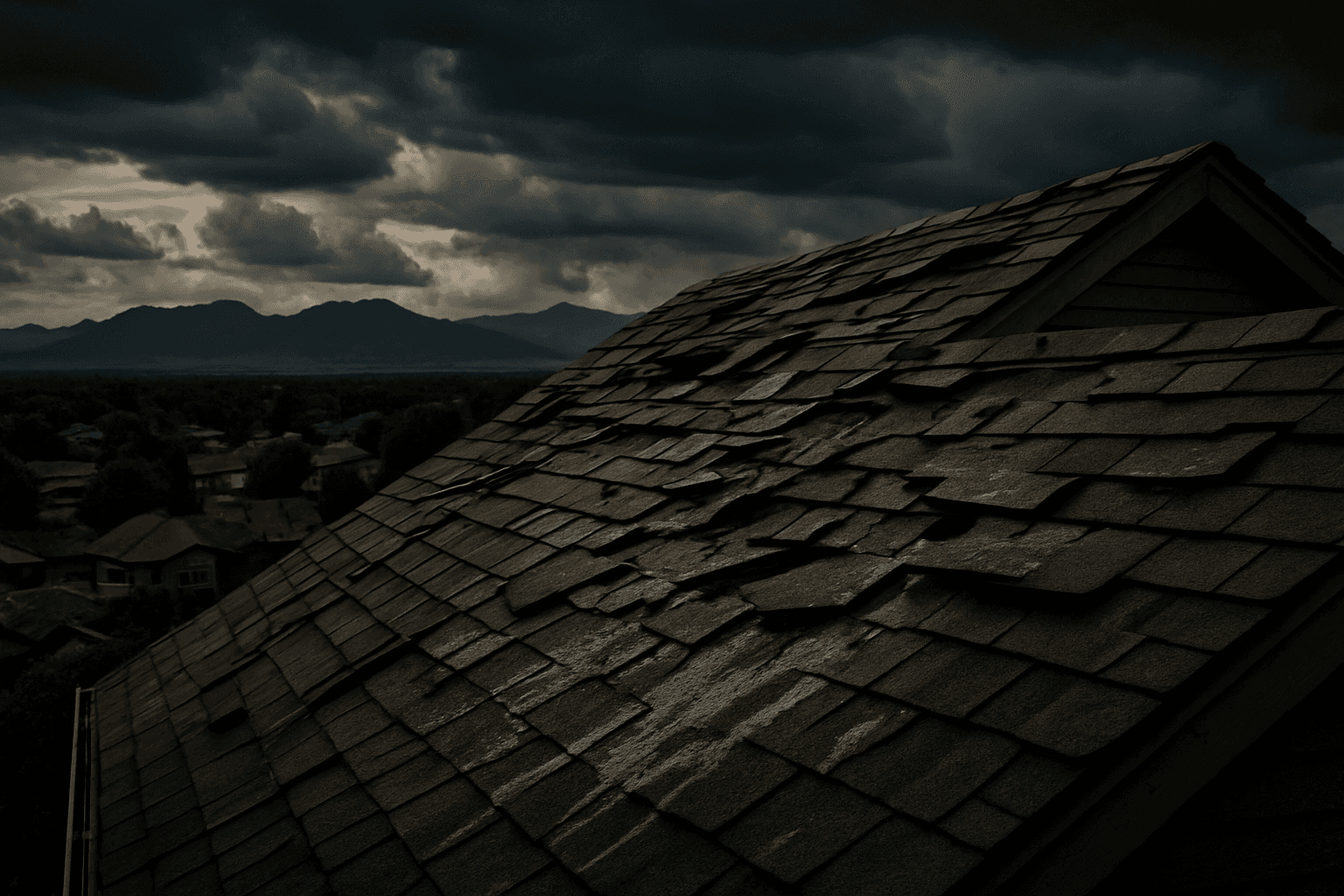
Hail storms are a common occurrence in Colorado, especially during the spring and summer months. Recent storm activity in the Denver metro area has highlighted the importance of understanding how to identify and address hidden roof damage. If you’ve lived in Colorado long enough, you’re aware of the substantial impact hail can have on your roof. From small dings to significant structural issues, hail damage can be deceptive. Many homeowners may not realize that their roofs have sustained damage until it turns into a costly repair. This blog post will guide you through the process of identifying hidden roof damage in Denver and provide actionable steps to address it.
Understanding Hail Damage in Denver
Colorado is known for its unpredictable weather patterns, especially when it comes to hail. According to the National Oceanic and Atmospheric Administration (NOAA), Colorado experiences an average of 16 hail days per year, with the Denver metro area being particularly prone to severe storms. The damage caused by hail can vary significantly based on the size of the hailstones and the intensity of the storm.
Hidden roof damage can often be overlooked, particularly if the exterior of your roof appears intact. However, hail can create issues beneath the surface, such as:
- Dents and cracks in shingles that may not be visible from the ground.
- Displacement of roofing materials, which can lead to leaks.
- Damage to underlayment and flashing that protects critical areas of your roof.
Recognizing the signs of hidden roof damage is essential for maintaining the integrity of your home.
Signs of Hidden Roof Damage
1. Granule Loss on Shingles
One of the most common indicators of hidden roof damage is granule loss on asphalt shingles. Granules protect shingles from UV rays and provide an additional layer of waterproofing. After a hail storm, inspect your gutters and downspouts for granule buildup. If you find significant amounts, it may signal that your shingles are damaged and their effectiveness is compromised.
2. Water Leaks and Stains
If you notice water stains on your ceilings or walls, it could indicate that your roof has hidden damage. Hail can create small openings that allow water to seep in, leading to leaks. Check for any discoloration or peeling paint in your home, especially after a storm. These are signs that you should schedule a professional inspection as soon as possible.
3. Missing or Cracked Shingles
While missing shingles are often easy to spot, cracked shingles may not be. Examine your roof closely for any signs of cracking, particularly around the edges and near vents. Even small cracks can lead to significant issues down the line if not addressed promptly.
4. Dents on Roof Fixtures
Hail can also cause dents in roof fixtures such as vents, chimneys, and skylights. If you see noticeable damage on these components, it’s likely that your roof has experienced hidden damage as well. These dents can lead to a compromised seal, which may result in leaks and other issues.
Addressing Hidden Roof Damage in Denver
1. Conduct a Thorough Inspection
After a hail storm, it’s crucial to conduct a thorough inspection of your roof. If you’re comfortable doing so, use binoculars to inspect your roof from the ground. Look for any visible signs of damage such as missing shingles, cracks, or granule loss. For a more detailed inspection, consider hiring a professional roofing contractor like Alpine Peak Roofing, who can provide a comprehensive assessment of your roof's condition.
2. Document Damage for Insurance Claims
If you've identified hidden roof damage, it’s essential to document it for your insurance claim. Take clear photos of any damage, including close-ups of dents and cracks. Having a detailed record will help when filing a claim with your insurance provider, ensuring you receive the compensation you deserve for repairs.
3. Consult with a Roofing Professional
Addressing hidden roof damage requires expertise and knowledge of roofing systems. Alpine Peak Roofing specializes in hail damage repair and can help you navigate the insurance claim process. Our team will perform a free inspection to assess the damage and provide you with a detailed report of necessary repairs. Don’t wait until small issues become costly problems.
4. Regular Maintenance and Inspections
Preventing hidden roof damage is best achieved through regular maintenance and inspections. Schedule annual inspections with a roofing professional, especially after severe weather events. This proactive approach will help identify potential issues before they escalate, protecting your investment in your home.
Conclusion
Hail storms can leave Colorado homeowners vulnerable to hidden roof damage that isn't always immediately visible. By knowing what to look for and how to address these issues, you can protect your home and ensure its longevity. If you suspect your roof has suffered hidden damage after recent storms, don’t hesitate to contact Alpine Peak Roofing for a free inspection. Our experienced team is here to help you navigate repairs and insurance claims efficiently.
Call us today at (303) 555-0199 or visit alpinepeakroofing.com to schedule your inspection and protect your home from further damage.